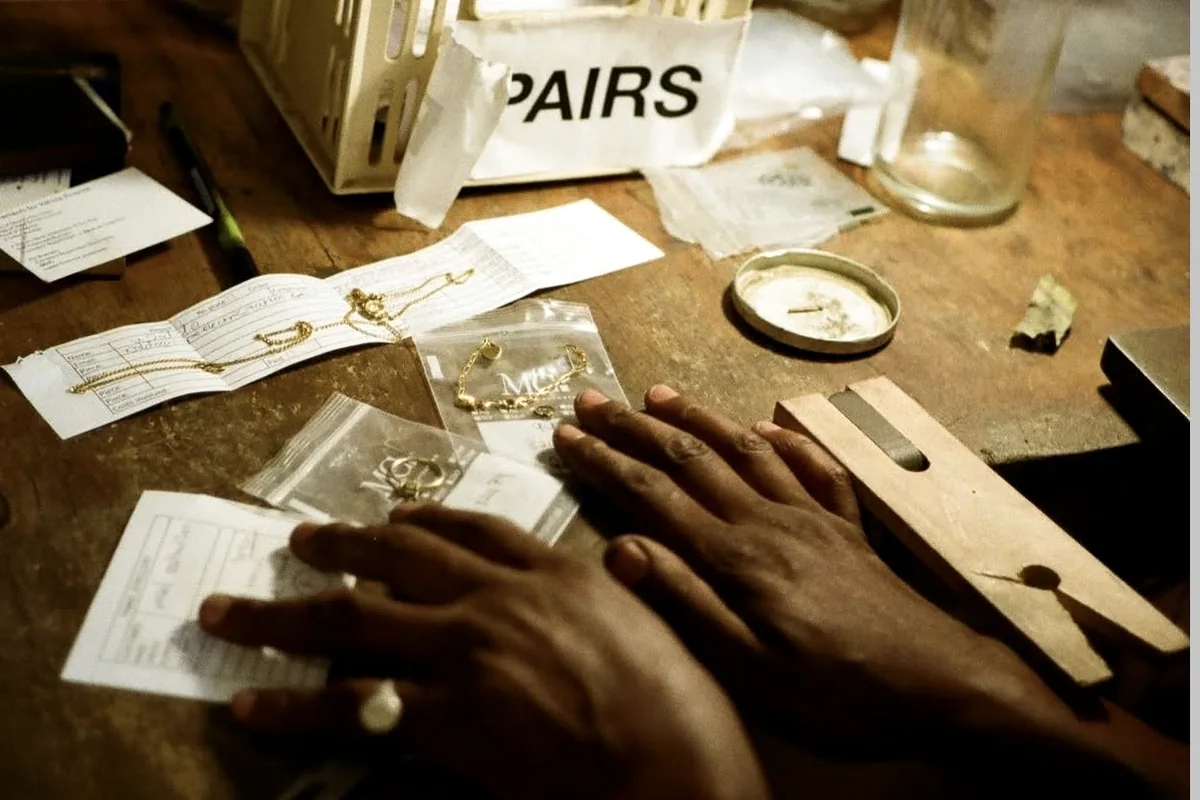
THE BENCH
FORM BEGINS WITH THE HAND.
A Cape Town jewellery practice built around line, surface and the physical work of the bench.
THABILE DUBULA
FROM BUTTERWORTH TO A CAPE TOWN BENCH.
Thabile Dubula is from Butterworth in the Eastern Cape and works from Cape Town. After jewellery training and apprenticeship, Thabile founded the studio in 2017. The practice brings contemporary form together with hands-on bench technique.
PROCESS
CUT. FORM. JOIN. REFINE.
The work is physical. Sawing establishes line. Hand-forming builds proportion. Soldering joins construction where needed. Polishing brings the final surface into focus.
General studio practice. Not a caption of the photograph above.
- SAW
- Metal is cut at the bench to establish the first line of the piece.
- FORM
- Curves and profiles are shaped by hand, giving the design its physical proportion.
- SOLDER
- Metal elements are joined with heat where the construction requires it.
- POLISH
- Surfaces are refined and polished to bring the final form into focus.
- STONE SETTING
- Where a design includes stone work, stone setting is part of Thabile's verified studio practice.
MATERIAL
SURFACE MATTERS.
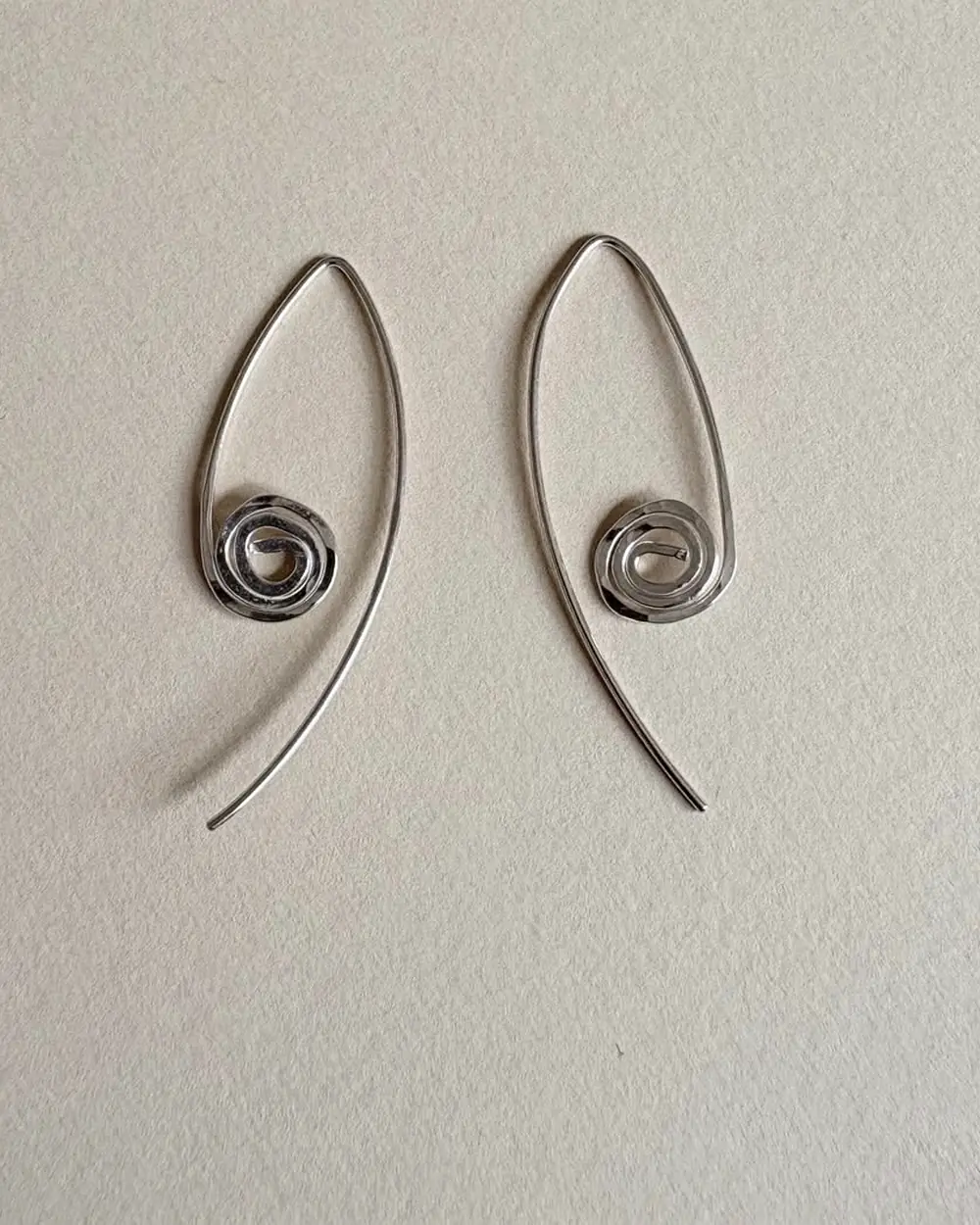
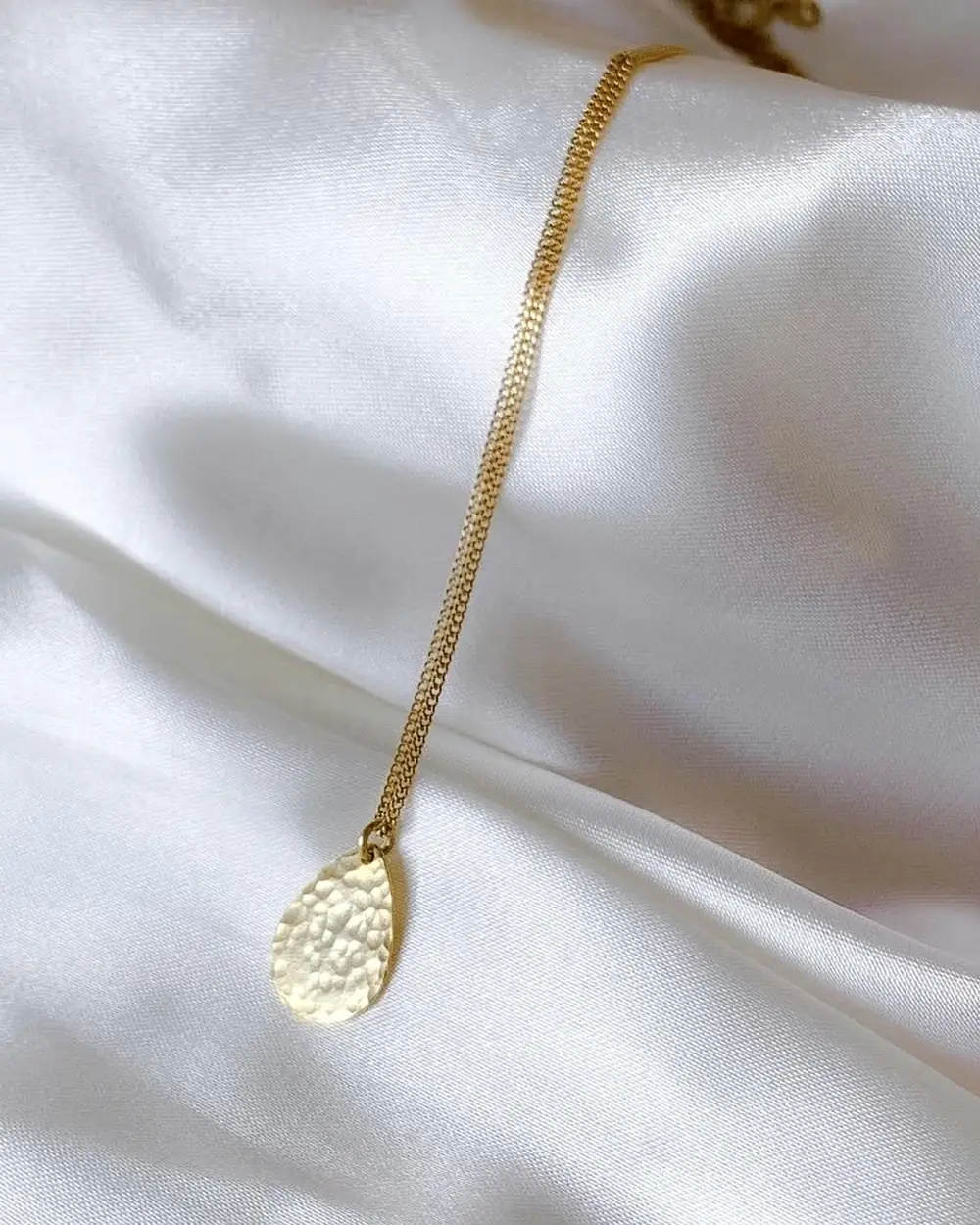
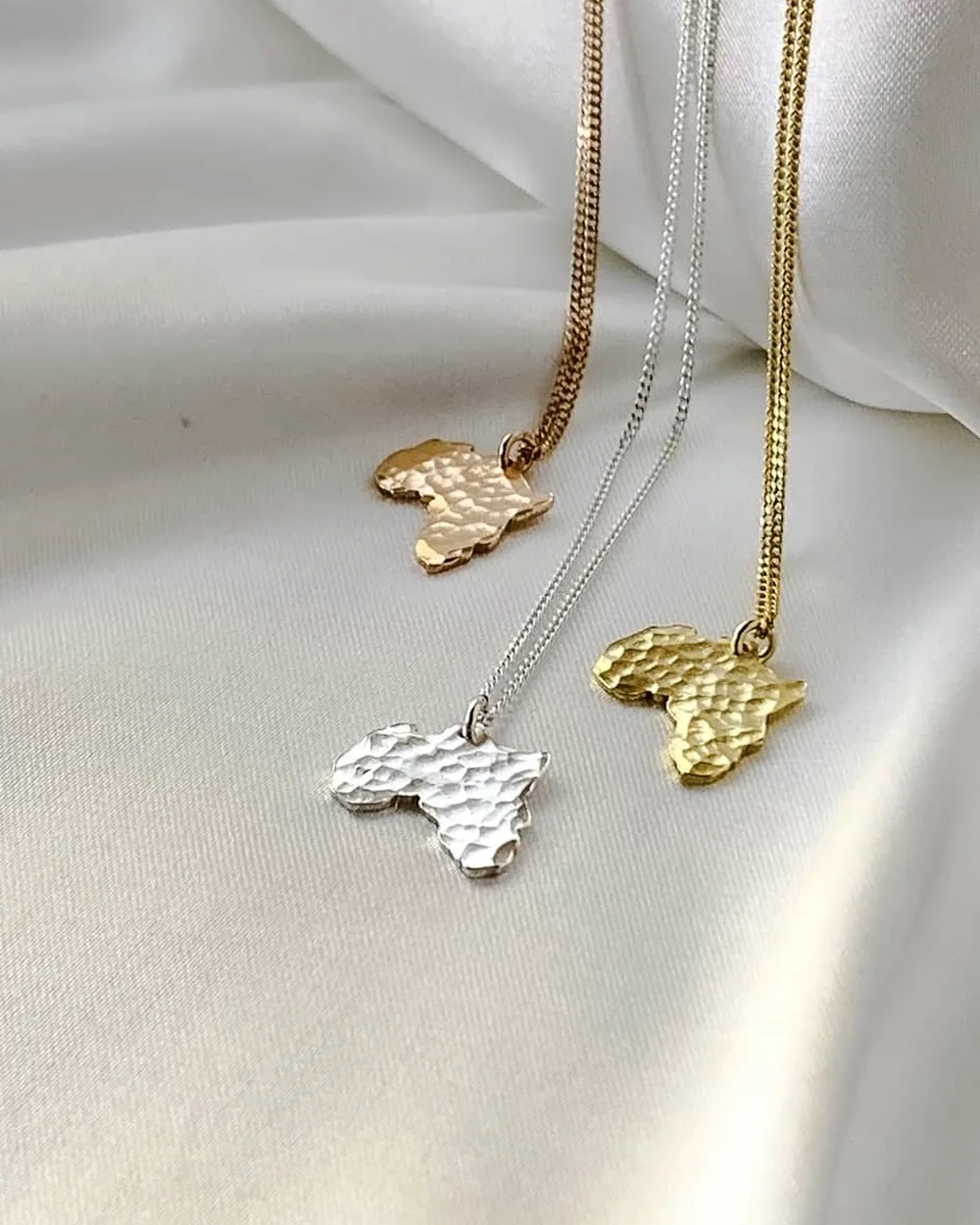
Thabile's verified material vocabulary includes 925 sterling silver, plated silver, natural horn and freshwater pearls. The exact material specification belongs to the individual piece and must be confirmed product by product.
CRAFT PROOF
LOOK CLOSER.
A handmade object carries evidence: a line that has been shaped, a surface that has been worked, a join that has been resolved. Product detail and bench photography should show that evidence rather than over-explain it.
EXPLORE THE WORKASK THE STUDIO
A QUESTION BELONGS WITH THE MAKER.
For sizing, material, styling or a bespoke idea, continue the conversation with the Studio.